Does convenience equal contentment?
Are we mistaking convenience for resilience?
(Note: This is Part 2. If you haven’t already read Part 1 in our series “Building a Better Future with Buy From Friends,” please do so now. And then, come right back to pick up with Part 2!)
Equating convenience with resilience is a great misconception of modern life. With the click of a button, or trip to a big-box supercenter, many of us can have whatever we desire in “prime” delivery time and at deep discounts. This means we’re never without life’s necessities; which also means we’re more equipped to endure hardship, health setbacks and general uncertainty – right?
Turns out, the cost of this ease of access has been a dis-ease of alienation. These ubiquitous chain stores and online retailers have rendered the live, animate systems that tether us to each other obsolete. Their convenience, in fact, has made us more vulnerable than ever before.
Modern society is polarized, geographically isolated, and starving for real, human connection and shared purpose. In 2023, Surgeon General Vivek Murthy issued an advisory declaring loneliness as the greatest public health epidemic of modern times, “as deadly as smoking 15 cigarettes a day and raises the risk of premature death by nearly 30%” (Source). Robin Wall Kimmerer in Braiding Sweetgrass affirms:
Philosophers call this state of isolation and disconnection “species loneliness”—a deep, unnamed sadness stemming from estrangement from the rest of Creation, from the loss of relationship. As our human dominance of the world has grown, we have become more isolated, more lonely when we can no longer call out to our neighbors
Our family had to ask ourselves: How many times do we opt for the cheaper, faster product over one made by a local artisan, agriculturist, or tradesperson — be it a loaf of bread to a garden bench?
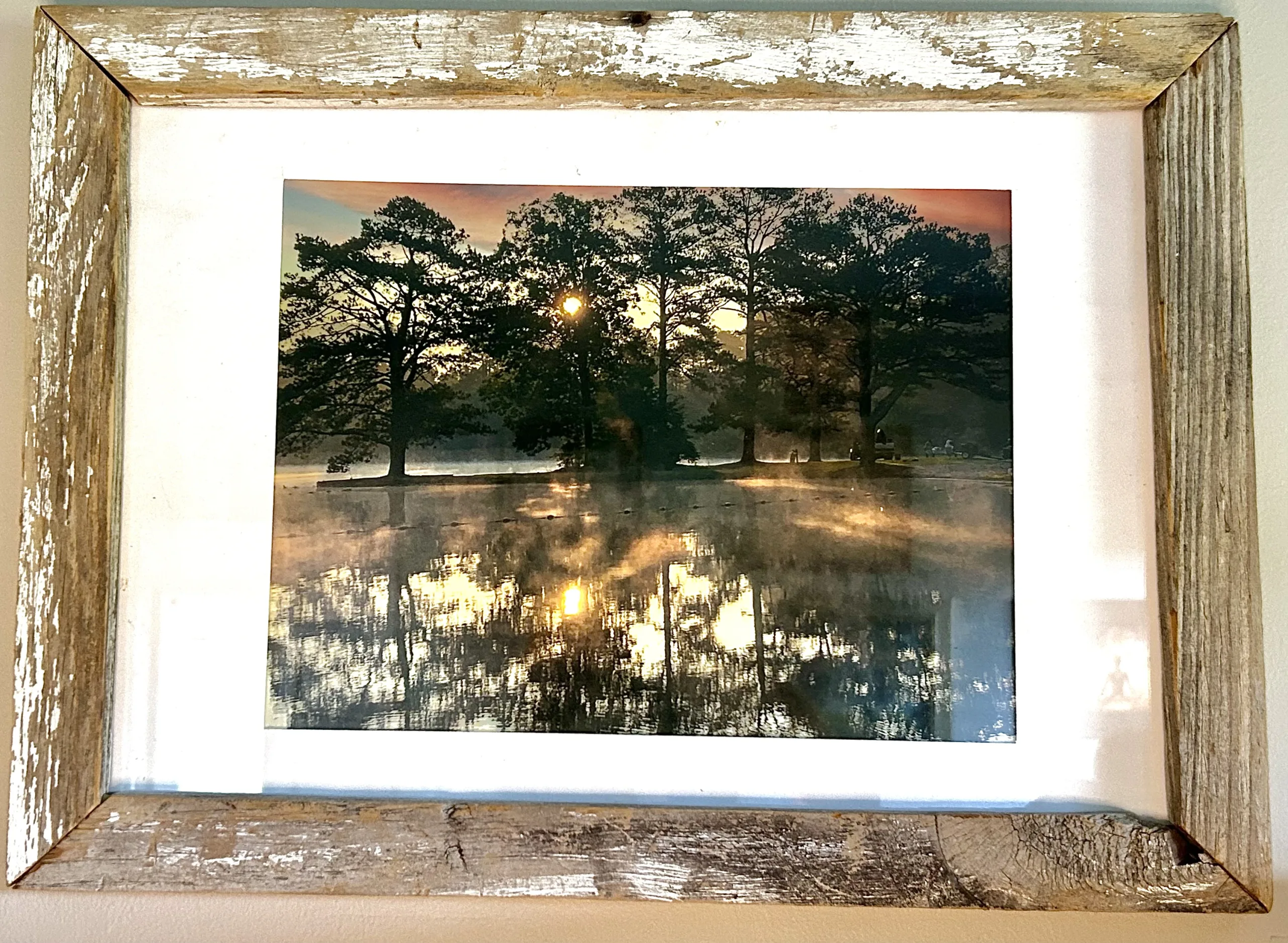
One afternoon, I went online to purchase a generic frame for a photograph I’d taken. But before I could click “buy,” Stephen suggested we ask our fellow farmer and wood carver Clifford Porter if he could custom make us one. We called him up and went over to his shop, where we spent the entire afternoon learning little details about his 83 years of life in the rural south, while he methodically put together a picture frame from the old fence post wood we supplied, carving a molding with a foot-pedaled wood lathe. His tools were all human-powered, cast-iron and ancient by today’s hyper-mechanized standards. We listened to his stories about his wife getting sick and having to let the shop fall away; we ate fresh collards picked from his bountiful veggie garden; and we traveled with him through memories, sharing a space where time slowed down, thoughts were deeply considered, artist and patron were equal, and craftsmanship was valued far above convenience.

Now, every time I look at that frame, all the stories, sounds, smells and tastes of that day come flooding back; and I see Clifford Porter, statuesque, 6 foot 3 tall, 83 years old creating with his cataract eyes and worn, calloused hands, a piece of art to hold my own.
How many purchases or exchanges connect us to our humanity and make us feel less alone?
If we can work towards increasing that number a little at a time, then it’s worth trying. We know this isn’t always possible. As a cottage goods business, our margins are thin. The material and equipment we use for market vending set-ups, processing our food goods, printing and packaging Nicole’s photography and cards, and so on are more about Gumby-stretching that dollar as far as it will go. Ours is a commitment to small and frequent adjustments that make a noticeable difference over the long run, in fostering a sense of communal belonging and fortifying the local economy. One example from our own family playbook: For holidays and birthdays, we gift things we make ourselves, or by an independent artist we know or admire.

Check out our brand-new SHOP to peruse our for-purchase products, including Nicole’s photography! And, if you’d like to place a special order for our artisanal jams and popsicles (in bulk!), simply fill out our simple, customized form.
